Bioenergy with Carbon Capture and Storage (BECCS) creates clean energy while removing carbon dioxide (CO2). By using sustainably sourced biomass as a fuel source, BECCS permanently stores CO2 removed naturally. This process turns biomass and waste into a powerful climate solution; one uniquely suited to Canada’s natural advantages.
Why BECCS Matters
To achieve net-zero emissions by 2050, Canada must not only reduce emissions but also remove carbon dioxide (CO2) from the atmosphere. BECCS is a carbon dioxide removal (CDR) technology, because it permanently stores CO2 that has been removed from the atmosphere.
CDR technologies are essential for offsetting emissions from hard-to-decarbonize sectors like aviation, shipping, and heavy industry. BECCS has distinct advantages over other CDR technologies (such as direct air capture) because it not only removes carbon but also generates electricity, making it more efficient in both cost and energy use.
What is BECCS?
BECCS is a process that combines bioenergy production with carbon capture and storage (CCS) technologies. This process uses biomass (i.e., forestry residues, agricultural byproducts, dedicated energy crops, and the biogenic waste used in Energy-from-Waste facilities) as a fuel source to generate energy in the form of heat, electricity, or fuels. The resulting CO2 emissions from the bioenergy production process are captured, transported and permanently stored deep underground.
Since biomass absorbs CO2 from the atmosphere during its growth, capturing the emissions when it is used for energy production results in a net removal of the greenhouse gas, leading to negative emissions. This positions BECCS as a powerful decarbonization tool for both national and global pathways working towards net-zero economies.
BECCS Process
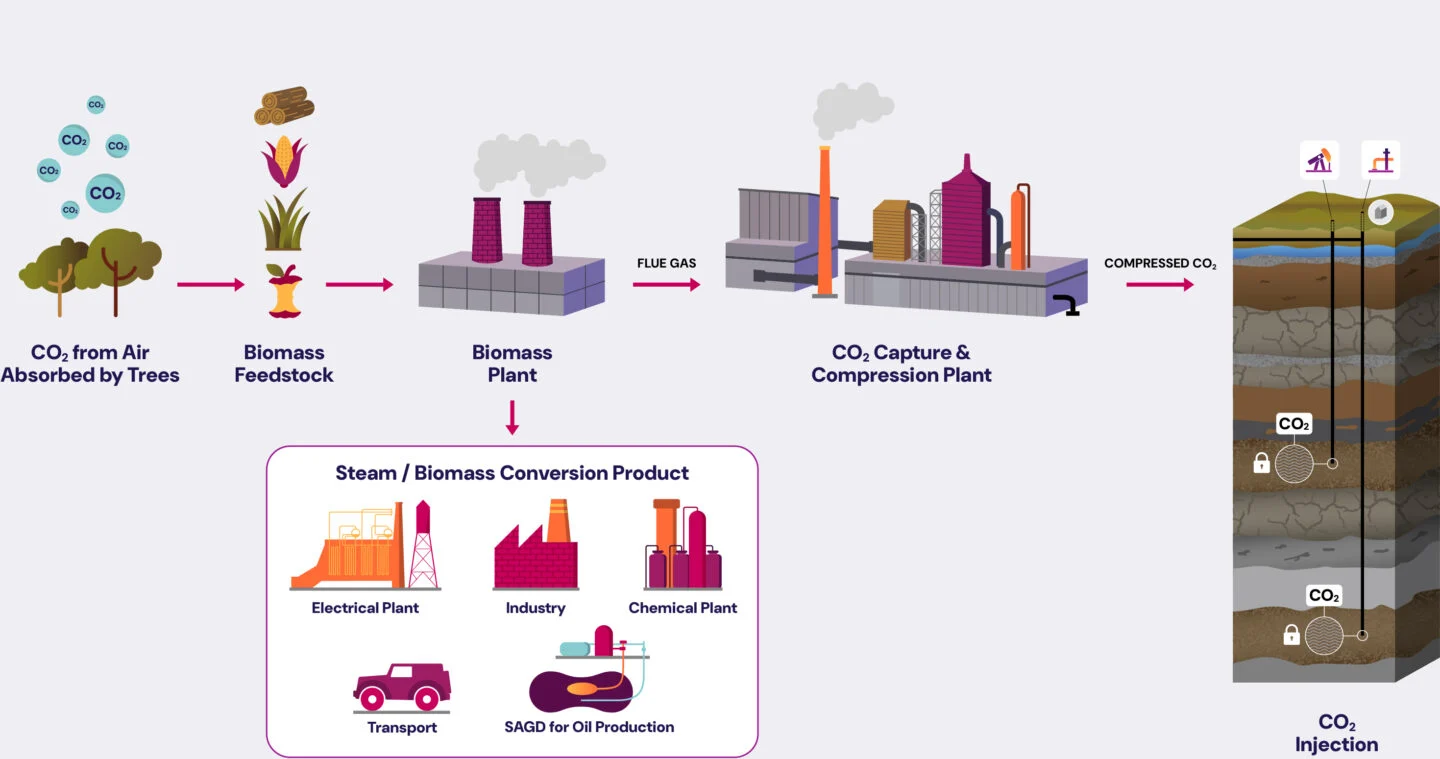
As trees and plants grow, they naturally pull CO2 from the atmosphere as part of the photosynthesis process.
The biomass feedstock (wood/plant matter/garbage) is burned in facilities such as Combined Heat and Power (CHP) plants, pulp & paper mills, and/or Energy from Waste facilities to generate energy for electricity, steam, and heat. It can also be processed into biofuels like ethanol or used as a renewable input in various industrial applications like hydrogen production.
The flue gas produced as part of the combustion process is sent to a carbon capture facility where the CO2 is separated and captured, before it is compressed into a liquid or dense phase for transportation and storage.
CO2 is transported and permanently stored into porous rock formations deep underground in suitable geological formations or used in Enhanced Oil Recovery (EOR).
Still have questions on what the BECCS process involves? Check out BECCS 101 – The Power of Trees and Technology from Emissions Reduction Alberta.
Building BECCS in Canada
Canada’s Carbon Management Strategy highlights BECCS as one of the essential CDR approaches for achieving net-zero by 2050. It is also cited by the Canada Energy Regulator as a key technology to support the decarbonization of Canada’s electrical grid.
As electricity demand in Canada continues to rise, a net-zero future will require more clean and reliable power sources. BECCS offers a unique solution by generating low carbon or even negative emissions electricity while also permanently removing CO2 from the atmosphere. By capturing emissions from facilities that already use biomass, such as pulp and paper mills, ethanol plants, or Energy-from-Waste sites, BECCS enables the reduction of overall emissions. It also contributes to power generation and enhances grid stability by providing baseload or on-demand power, complementing intermittent sources and can repurpose existing infrastructure to support regional power systems. This solution creates a practical, scalable pathway to help decarbonize Canada’s electricity system.
Canada is already well equipped to realize BECCS full potential, particularly benefiting from:
- Sustainable Biomass
- Low-cost and Accessible CO2 Storage
- Enabling Policies and Incentives
Sustainable Biomass
BECCS feedstock is efficient and cost-effective for Canada as we already have abundant, regionally distributed biomass resources located near industrial infrastructure. To ensure BECCS delivers real climate benefits, it is imperative that the biomass feedstock is sustainable, meaning it is renewable, responsibly sourced, and managed properly to protect land-use, food production, soil health, water resources, and biodiversity. Additionally, in the case of biomass, it is important that what is used for combustion is not resulting from deforestation, soil degradation, or indirect emissions (e.g., from land-use change). Meeting these standards is essential for verifying the CDR solution’s viability as well as maintaining the integrity of BECCS projects in developing climate strategies and carbon markets.
Curious on what types of biomass resources Canada has to offer? Explore below.
Types of Biomass
-
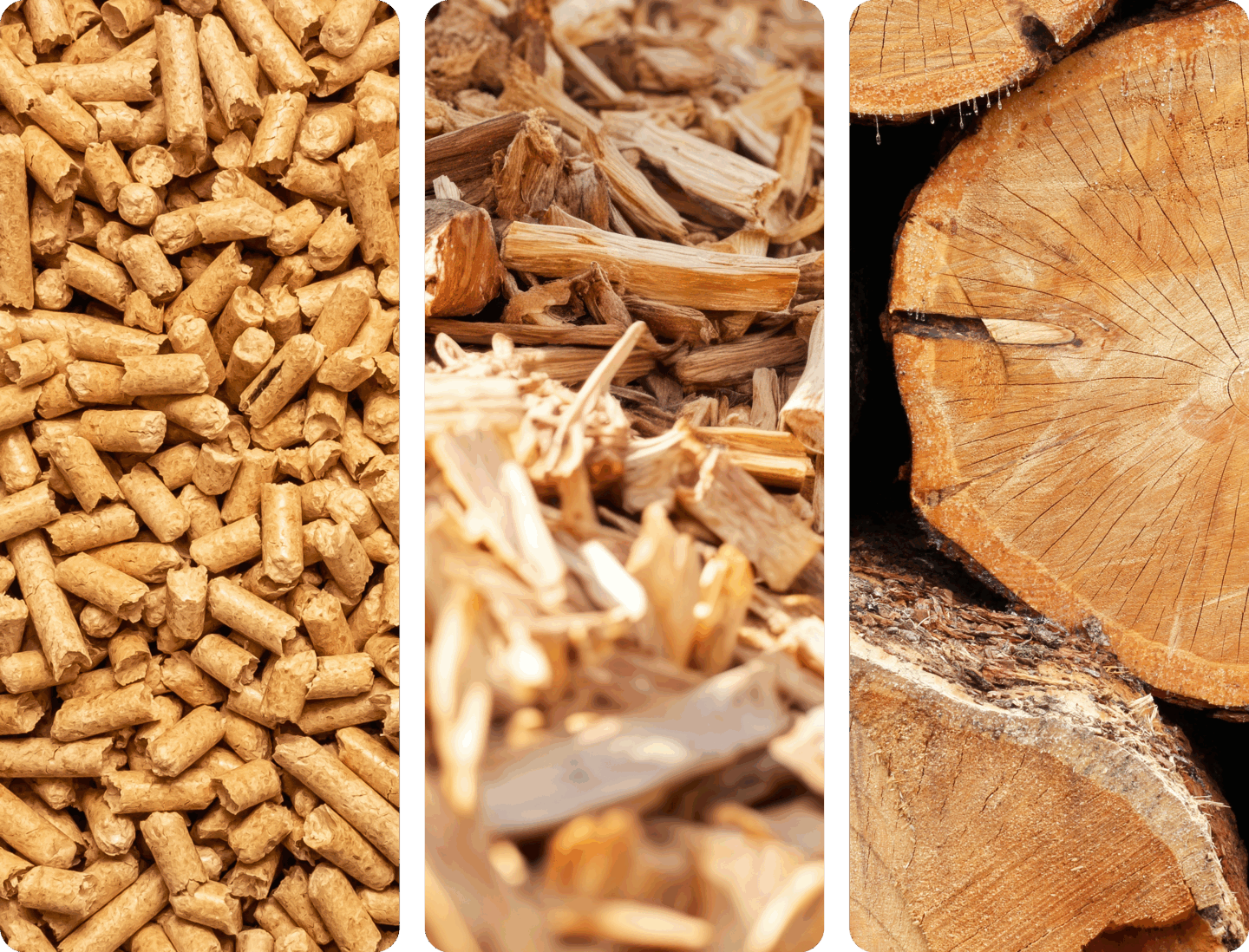
Woody biomass, such as forest residues or wood pellets, generally have high carbon content and energy density, making it efficient for combustion and CO2 capture.
-
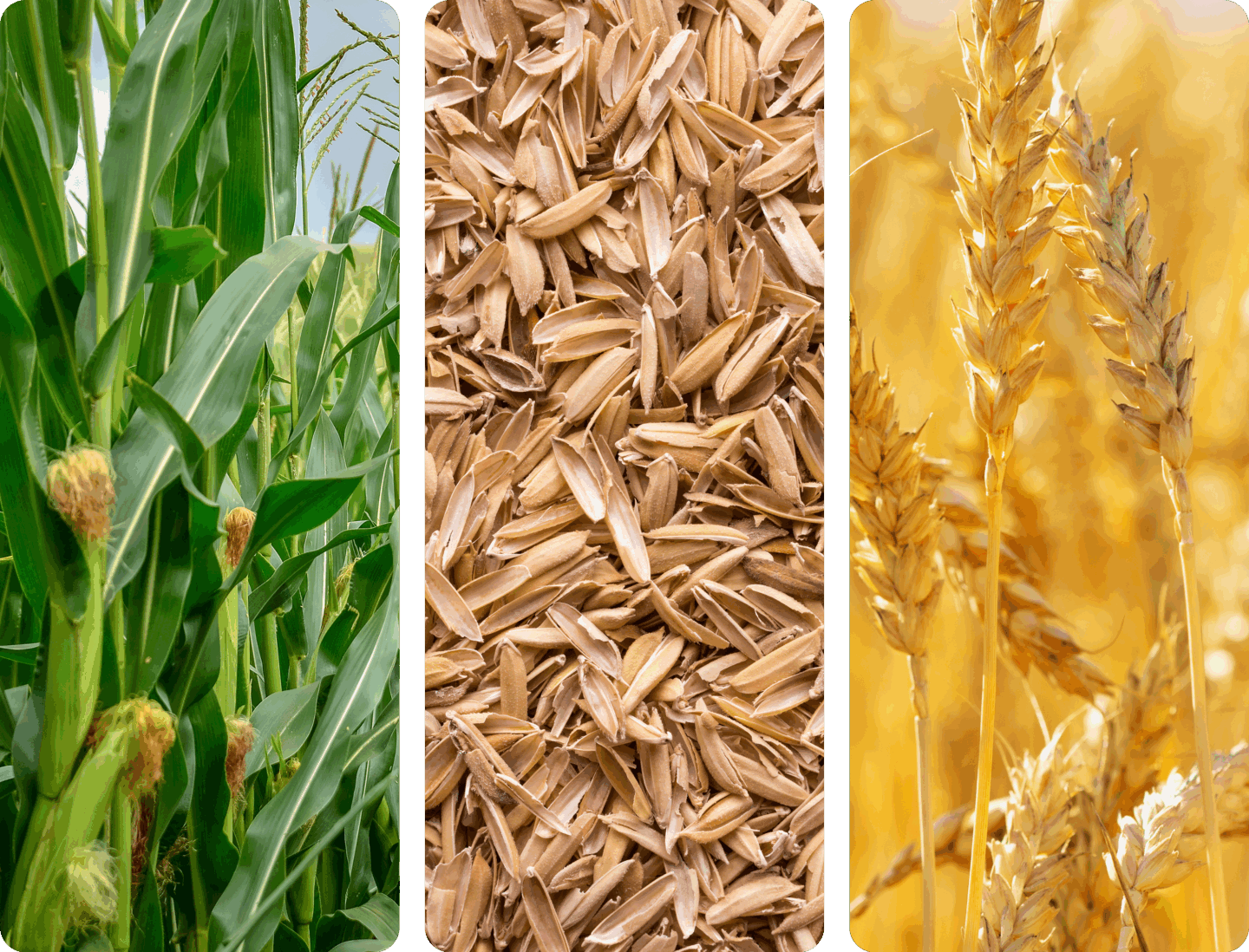
Agricultural residues, like corn stover or wheat straw, typically offer better net-carbon removal because they are by-products of existing farming operations and do not require additional land-use.
-

Energy crops, such as switchgrass or miscanthus, can sequester significant amounts of carbon during growth, but their overall carbon removal impact depends on land management practices, input requirements, and land-use changes.
-
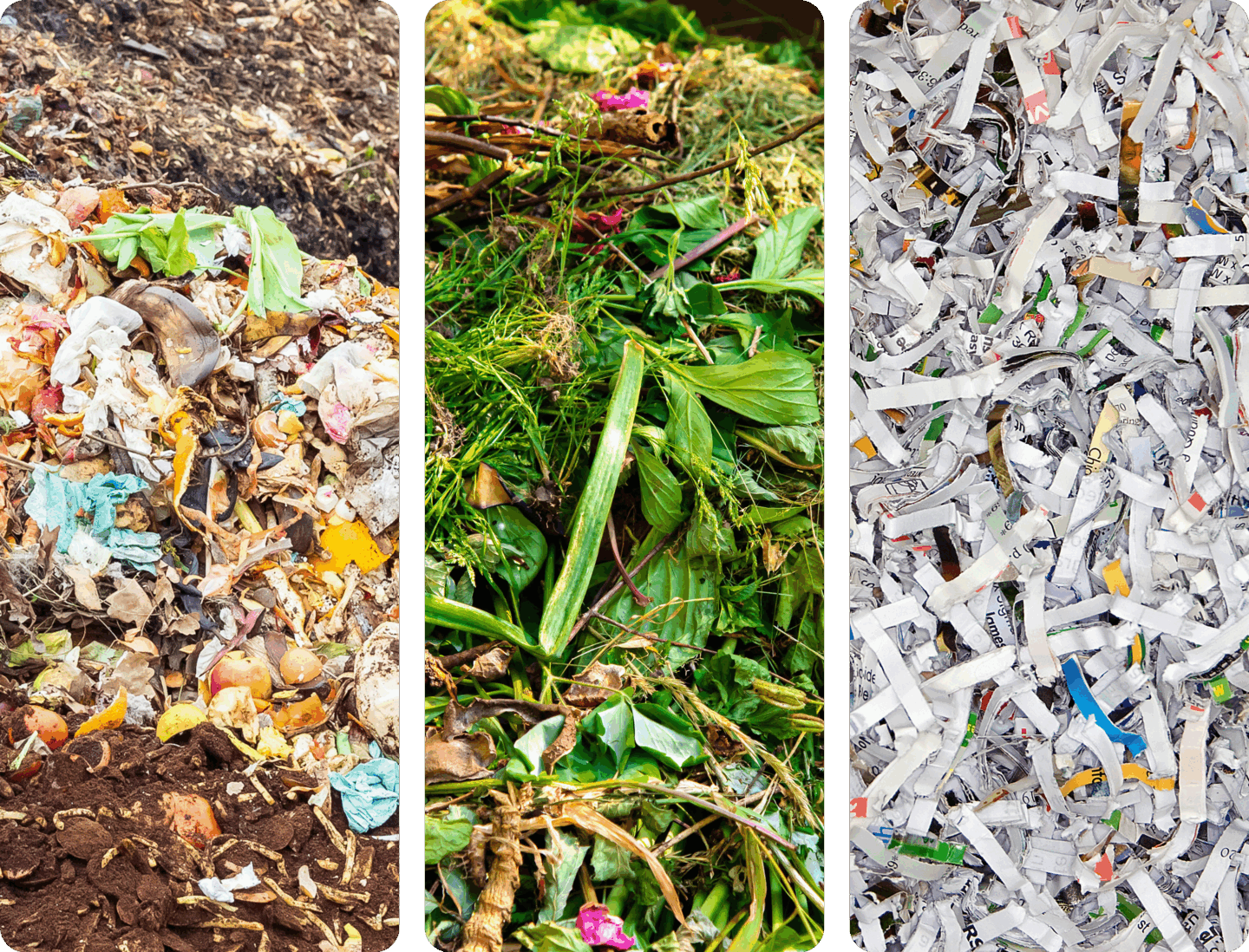
The biogenic portion of municipal solid waste, such as food scraps, paper products, yard trimmings, wood, and natural textiles are determined usable by radiocarbon analysis. These materials originate from biological sources, and the capture and storage of their post-combustion CO2 emissions is considered a CDR.
Low-cost and Accessible CO2 Storage
Canada’s onshore resources are relatively low cost compared to offshore storage and help improve the viability of large-scale carbon removal through BECCS. Globally, Canada offers some of the most cost-effective and technically ready CO2 storage opportunities for the industry. Its extensive geological resources, such as deep saline aquifers and depleted oil and gas reservoirs, are well-mapped and proven to be suitable for long-term carbon storage. Canada’s decades of oil and gas experience and early CCS investments have resulted in a strong foundation of infrastructure and professional expertise for CO2 injection and storage.
Equally important, Alberta, Saskatchewan, and British Columbia have fully developed carbon storage frameworks in place, with other provinces currently in the process of developing their own.
Enabling Policies and Incentives
To accelerate the deployment of carbon capture and removal technologies, Canada has developed a range of tools such as carbon pricing, regulatory frameworks and investments (click here to learn more about Canadian CCUS incentives). Generating carbon removals creates a financial opportunity for BECCS projects to sell their credits globally within the voluntary carbon markets to companies and governments choosing to purchase CDR credits to offset their own emissions.
The Alberta Advantage
Within Canada, Alberta has all the ingredients to make BECCS successful:
- Sustainable feedstock: Alberta has a robust forestry sector, and over 80% of Alberta’s managed forests have achieved internationally recognized sustainable forestry certifications.
- CCUS expertise: Alberta’s operating commercial infrastructure, extensive CO2 storage resources, and regulatory frameworks offer advanced tools to build CCUS projects at scale.
- Deregulated electricity market: The province’s competitive power market welcomes new entrants, and bioelectricity from pulp mills is already part of the grid.
- Carbon Removal Recognition: Alberta’s emission offset protocol for carbon storage is the first in Canada that recognizes CO2 sourced from BECCS as removals.
- Project Investments: Including Canada’s CCUS Investment tax credit, federal carbon removal procurement programs and the Alberta Carbon Capture Incentive Program.
For more information, check out Alberta’s BECCS Advantage from Emissions Reduction Alberta.
Challenges & Opportunities for BECCS Deployment in Canada
Scaling BECCS comes with real challenges but each of these also presents an opportunity for innovation, collaboration and leadership in climate solutions. Some challenges include:
- Sustainable Biomass Supply: Competing land uses, biodiversity considerations, and logistical constraints potentially limits feedstock scalability.
- Monetization and Market Uncertainty: CDRs are not yet fully recognized or compensated in most compliance markets. Buyers for high-integrity CDRs (such as BECCS) remain limited, creating uncertainty for project developers.
- Infrastructure and Cost: Capture technology is expensive. While BECCS offers the advantage of generating energy with negative emissions, the fuel source isn’t as efficient as fossil fuels. This means more biomass is required to generate the same energy output, which can potentially increase the size and cost of the capture plant. Upgrades to existing bioenergy facilities (e.g., pulp mills) may also be necessary, increasing project costs.
- Regulatory Complexity and Public Perception: Differentiating between biogenic and fossil-based CO2 in policy is not always clear. Forestry practices must also be defensibly sustainable to avoid reputational risks.
Despite the challenges, BECCS represents one of the most promising climate solutions available today, especially for a country like Canada with an abundance of natural resources, infrastructure, and policy foundations already in place. There is growing momentum to recognize credit carbon removals, support early demonstration projects, and build cross-sector collaboration. By aligning sustainable biomass supply, accessible CO2 storage sites, and supportive policies, Western Canada has the opportunity to lead in carbon removal and energy innovation.
To learn more about BECCS Projects Around the World, refer to the IEA CCUS Projects Database.

The CCUS Insight Accelerator (CCUSIA) is a partnership between the Government of Alberta and the International CCS Knowledge Centre to accelerate and de-risk CCUS by sharing knowledge and developing insights from projects.