Background
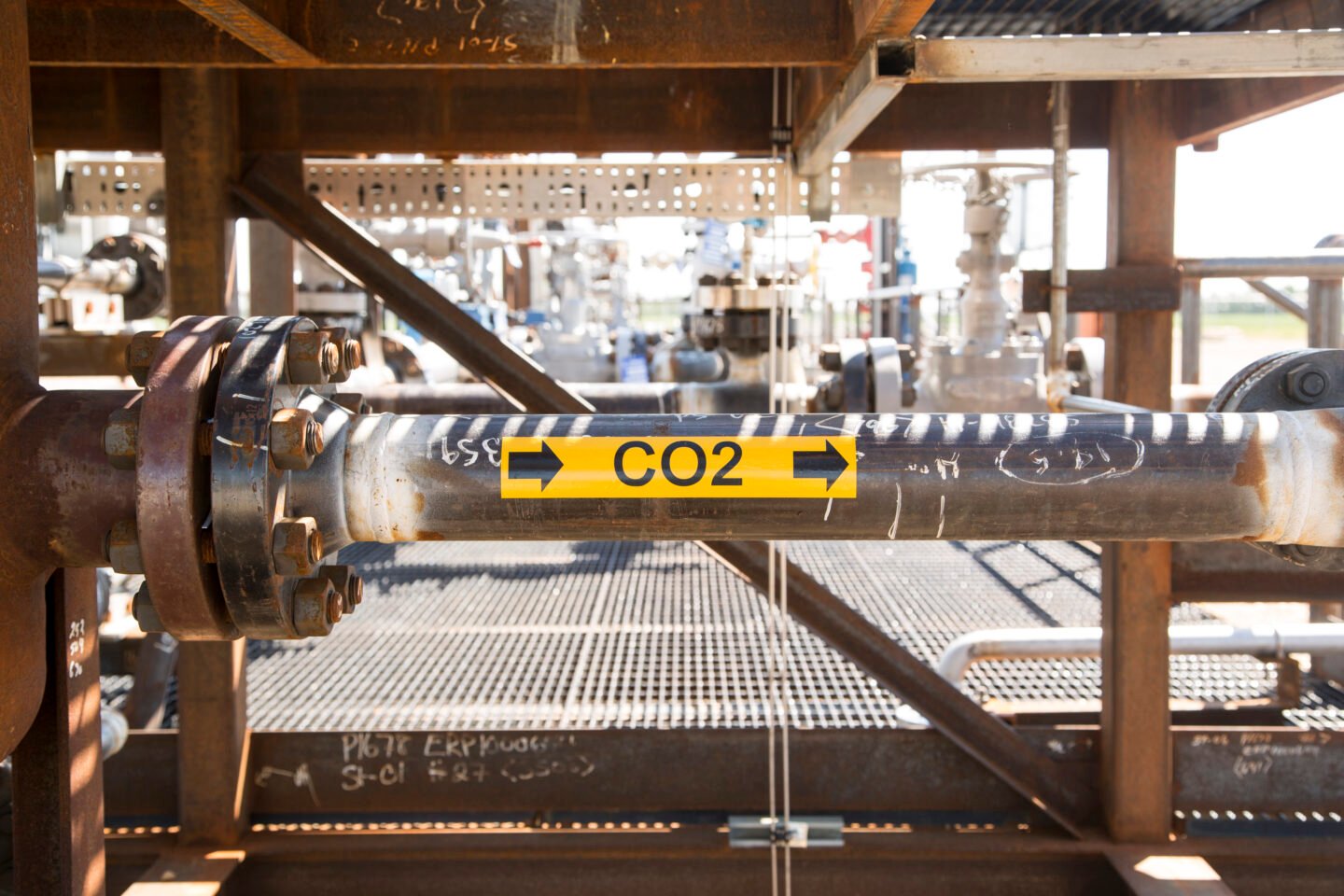
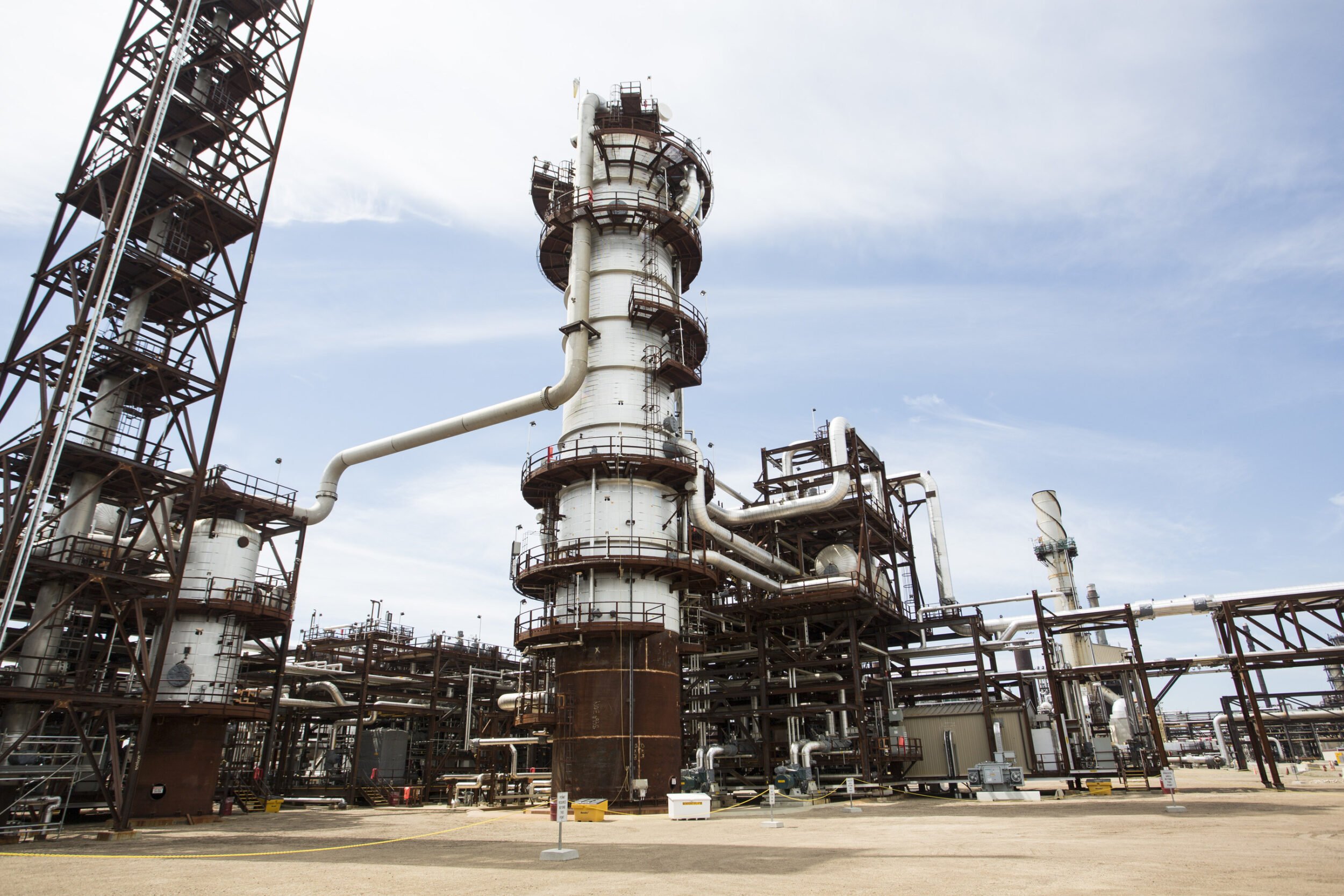
The Quest Carbon Capture and Storage (CCS) Facility, located near Edmonton, Alberta, Canada, is one of the largest and most advanced CCS projects in the country. Proposed in 2008, Quest was designed as a CCS demonstration project to show large-scale CO2 capture, transport and storage. Since it began operating in 2015, the Quest CCS facility has captured and safely stored over nine million tonnes of CO2. Quest has become a globally recognized demonstration project, and its learnings have served as a basis for a new a growing industry in Alberta and around the world. Quest is operated by Shell on behalf of the Scotford Upgrading Project, which is a joint venture with Shell (20%) and Canadian Natural Resources Limited (80%). The Government of Alberta (GoA) committed $745 million in grant funding to the Quest project through 2025, with additional funding contributions from the Government of Canada ($120 million) and Alberta Innovates ($6.345 million).
The facility captures and stores approximately 1 million tonnes of CO2 annually from the three hydrogen manufacturing units (HMUs) at the Scotford Upgrader. These HMUs manufacture hydrogen as part of the process to upgrade oil sands bitumen. The CO2 capture and compression infrastructure also includes multistage compression of the captured CO2 into a dense phase ready for transportation. The dense-phase composition contains CO2 in quantities higher than 95% by volume. The CO2 capture infrastructure was incorporated as a process modification to the existing Scotford Upgrader, within the developed area of the Scotford Upgrader.
Carbon dioxide from the Scotford Upgrader is separated from nitrogen in the production stream using amine absorption. Once the amine captures the carbon dioxide from the industrial emissions, the CO2 is separated from the amines and is then transported through a 65 km pipeline to three injection wells. The CO2 is compressed before transportation into a dense phase state, which makes it flow like a gas but with the density close to that of a liquid, allowing for the transport of large volumes of CO2 with greater efficiency compared to gas phase. At the storage sites, CO2 is injected and stored between 2,132 and 2,105 meters measured depth (m MD) below the surface into the Basal Cambrian Sands (BCS) Formation.
As a flagship project for successful industrial-scale CCS in Alberta and Canada, Quest has offered valuable insights and lessons learned about storing CO2 in the Basal Cambrian Sands (BCS), a regional target for new operators in the province. On an annual basis, Quest has provided to the public significant operational insights into what works well and what can be improved in CCS. This has included reports on site selection, subsurface modelling, MMV improvements as well as capture facility design, pipeline operational updates and more. Future CCS projects in Canada and around the world have leveraged this vast library built from Quest’s operational expertise to develop their own CCS projects
The lessons learned offer invaluable insights to inform future CCS projects, all of which can be found in Quest’s annual Knowledge Sharing Reports.
Challenges Faced During Development
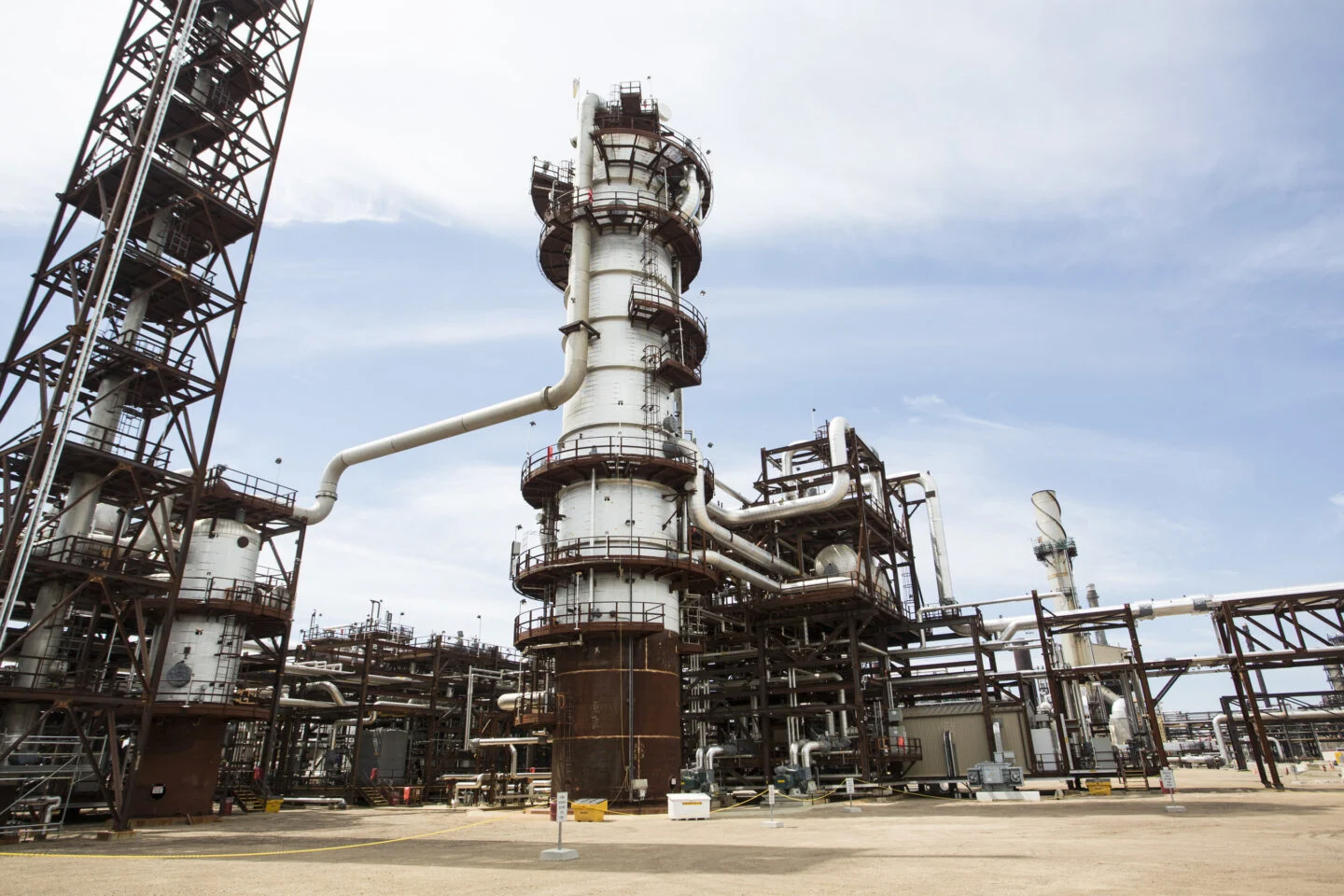
Quest overcame several major challenges during development, including public perception, regulatory clarity, and technical execution. As one of the first large-scale CCS projects of its time, the project had to address these hurdles through innovation, collaboration, and strategic problem-solving. Below are the key obstacles and solutions implemented, making Quest the successful project it is today.
Public Perception & Social Acceptance
Challenge
As Alberta’s first major CCS project, Quest faced public skepticism about the safety of CCS, potential leaks and underground CO2 storage viability during development. In 2017, additional worries were raised about soil quality impacts from pipeline construction and water runoff from one of the facility’s well pads.
Solution
Quest addressed public perception and social acceptance challenges through strategic transparency and proactive community engagement. They responded to concerns about soil quality and water runoff by implementing action plans and communicating directly with the public. Key initiatives included:
- Holding open houses for project updates and Q&A.
- Providing annual project updates to local authorities for full transparency.
- Establishing a Community Advisory Panel in 2012 for input on the project’s storage Measurement, Monitoring, and Verification (MMV) Plan.
- Engaging the international community and collaborating with the Global CCS Institute.
- Participating in conferences and workshops to promote CCS as a technology.
- Contributing to academic publications to share lessons learned from experience operating the Quest facility.
Quest’s comprehensive approach for addressing public concerns allowed for timely feedback and responsive action plans, reinforcing trust in the community.
Regulatory & Policy Uncertainty
Challenge
When initial planning for Quest was happening, Alberta’s regulatory CCS framework was still being established. Though this created some uncertainty for project developers, this project paved the way for the development of CCS specific legislation and a robust regulatory framework that supports the development of projects today.
Solution
Rather than remaining a hurdle, Quest’s collaboration with the provincial government and regulatory bodies converted uncertainty into a robust framework:
- Early and ongoing government engagement
- Formed joint working groups with the GoA, the Alberta Energy Regulator (AER) and federal agencies to identify policy gaps.
- Used subsurface modelling and framework to inform Alberta’s Mines and Minerals Amendment Act and relevant AER directives.
- Demonstrated technical safety through risk-based monitoring
- Deployed a comprehensive MMV plan that focused on deep-well sensors, groundwater sampling, 3D seismic, InSAR and fibre-optic monitoring to show regulators that CO2 storage was safe and reliable.
- Supplied real-time CO2 injection data that underpinned closure criteria and financial security limitations upon project conclusion.
- Setting a precedent for policy stability
- By achieving first-time project approvals in 2012 under the new provincial and federal frameworks, Quest created a clear, repeatable blueprint for subsequent CCS projects across Alberta and Canada.
- Regulators now refer to the Quest MMV design and risk-management documentation as the standard for industrial-scale CO2 storage permits.
Canada’s CCS Framework continues to apply learnings from Quest to every new proposal, streamlining approvals, de-risking investment, and fast-tracking decarbonization projects.
Technical Challenges
Transitioning CCS from a small pilot project to a large industrial-scale facility like Quest introduced significant technical hurdles. Key challenges included:
Pipeline Construction Cost Pressures
Challenge
Initially, the pipeline’s desired route crossed 336 already established infrastructures including 55 roads, 4 railroads, 19 bodies of water, 194 pipelines, 32 cable crossings and 32 overhead crossings. Due to right-of-way concerns and land-acquisition costs, the project faced cost pressures from the pipeline’s design.
Solution
To tackle cost pressures associated with the pipeline route, Quest conducted a detailed selection process to limit the number of infrastructure crossings. This introduced themes of:
- Using existing pipeline rights-of-way and other established crossings, where possible, to limit physical disturbance.
- Limiting the length of the pipeline’s route to reduce the total area of disturbance during construction.
- Avoiding protected areas and using appropriate timing windows such as seasons and traffic flow patterns.
- Avoiding wetlands and limiting the number of watercourse crossings.
The project also implemented a modular construction approach, pre-fabricating large pipeline sections in controlled environments. This strategy enhanced welding quality, reduced on-site construction time, and minimized safety risks, leading to significant cost savings for the project.
Surface Casing Vent Flows
Challenge
In 2013, Quest completed drilling and identified gas migrations. These results indicated potential leakage points where CO2 could migrate along the injection wells. Monitoring surface casing vent flow (SCVF) rates and pressures is critical for CCS project as it provides early warning signs for any potential CO2 releases. Monitoring these rates is critical for determining:
- Casing-cement integrity and micro-leaks that can risk CO2 escaping.
- Follow up actions from various CO2 pressure rates.
- Regulatory compliance and the long-term reliability of the CO2 storage system by mitigating environmental risks before they happen.
Solution
After identifying SCVF rates and CO2 migrations, Quest conducted a comprehensive investigation, conducting integrity tests on the surface casing vent line. Due to the shallow depths of the identified SCVF’s, they were not considered a threat to the storage site’s containment. Rather than immediate cementing, Quest employed an annual integrity testing program for the well’s surface‐casing.
Further testing from 2013 to 2019 and in 2021 confirmed that pressures returned to desired levels and that surface casing vent flow rates dropped. This confirmed Quest’s subsurface CO2 containment and demonstrated no change in shallow groundwater wells, well flows or at the surface.
Compressor Shutdown Response
Challenge
During Quest’s startup testing in 2015, a critical issue arose when the compressor would abruptly stop and spin in reverse during emergency shutdowns. Compressors are critical for reducing the volume of CO2 when preparing for transport and storage. Reverse spin in a compressor system can cause many challenges including:
- Lack of lubrication and compromise of seal integrity.
- Excessive vibration and control-system errors.
- Risks of mechanical damage, safety hazards, and efficiency loss.
Solution
Upon investigation, Quest found that the spin reversal was due to restricted blowdown allowance at the eighth stage nozzle. Each stage of nozzles steps up the compression pressure by gradually reducing its bore and blowdown port. Stage one has the largest flow passage and stage eight has the smallest, meaning that it sees the highest pressure with the smallest blowdown passage. Quest’s last stage was choking off trapped gas, causing pressure spikes that reversed the rotor.
To remedy this, Quest reworked the compression system to store energy in the mid-stages before reaching the last nozzle. The blow-off capacity was adjusted for the compressor’s fourth, fifth, and sixth stage nozzles, overall, safely decelerating the rotor without experiencing back-spin issues.
Foaming Management in Amine Absorbers
Challenge
During Quest’s start up and into operations, the Hydrogen Manufacturing Unit (HMU) absorbers, which scrub CO2 from emission streams using an amine solvent, experienced foaming leading to tray flooding.
In amine-based capture, foaming is typically triggered by rapid gas flow changes, the presence of carbon fines (tiny particles that stabilize bubbles), high gas rates, and system impurities. Instead of a smooth liquid flowing across each absorption tray, foam blankets the trays, disrupting the system’s design. When foam builds too much, it floods the system, prevents fresh solvent from entering the trays and blocks the flow of CO2 absorbed by the amine. This causes a sudden drop in systems capture efficiency and repeated events can cause further complications.
Solution
To avoid this, Quest made a series of control system modifications to stabilize the unit and to prevent foaming and flooding:
- 2015: Two upgrades were made to the absorber control system to detect foaming and protect sensitive equipment. These changes allowed the plant to temporarily reroute gas flow from the absorber when foaming is detected, using a special valve that opens automatically. The system is triggered by pressure drops, which are a sign that foaming might be happening.
- 2018: After a foaming incident in February 2018, engineers improved the system further. One change improved the reaction time by lowering the pressure level that triggers the valve to open. When activated, the valve opens a little, waits 10 seconds, and then opens more if the problem continues. Operators can also take manual control if needed.
These combined actions reduced recurrent flooding, created a risk protocol and returned the project’s CO2 capture efficiency back to its designed targets.
Outcomes & Key Learnings
Significant Emission Reductions
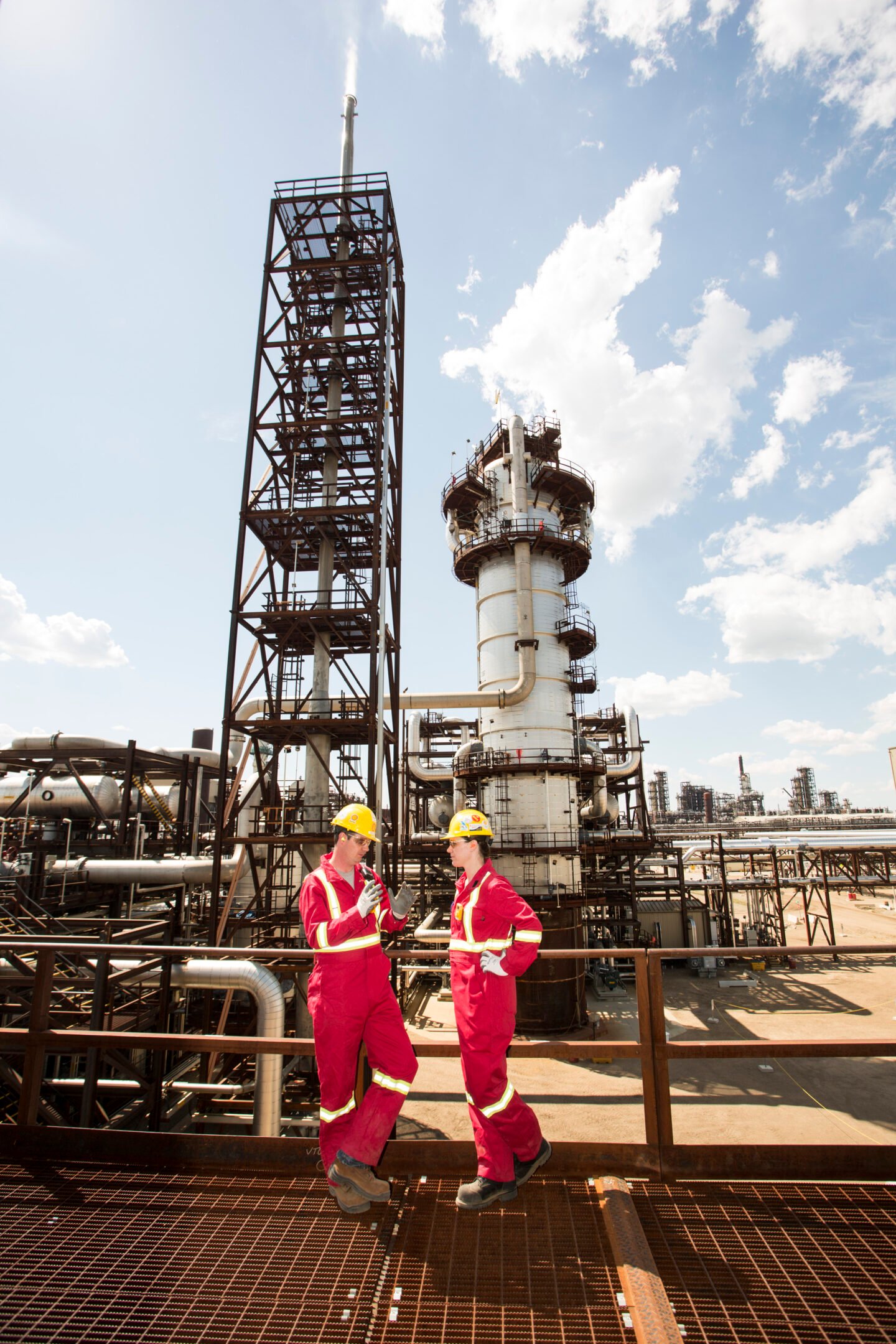
Since its launch in 2015, Quest has successfully captured and stored nearly 9 million tonnes of CO2 as of the end of 2024, significantly contributing to Canada’s national climate goals and demonstrating the feasibility of large-scale industrial emissions reduction.
Knowledge Sharing and Replicability
Quest has become a model for other CCS projects globally, offering insights into the feasibility, cost structures, and long-term success, which encourages broader adoption of CCS technology in Canada and globally.
Enhanced Public and Industry Confidence
The project has helped establish CCS as a safe and effective method for reducing carbon emissions, positively shifting public perception and increasing industry confidence in CCS.
Key Learnings
Early and Continuous Stakeholder Engagement: Engaging stakeholders from the initial stages of development helps build confidence and mitigates potential conflicts and delays. Quest’s proactive and transparent communication fostered positive relationships with the community and industry.
Robust Monitoring and Verification: A comprehensive MMV plan is vital for public trust. Involving the community in the MMV process helps build understanding and confidence in the safety and effectiveness of geological CO2 storage. Quest’s results and Shell’s engagement with the Alberta government played a major role in supporting the development of Alberta’s carbon storage regulatory framework.
- Proactive Well Integrity Management: The management of gas migrations and CO2 travel around injection wells highlighted the importance of proactive risk management and thorough regulatory engagement.
- Modularization and Standardization: The adoption of a modular construction facilitated improved welding quality, reduced construction time, and minimized safety risks.
- Commitment to Continuous Improvement: The emphasis on documenting operational challenges and solutions facilitated ongoing learning and improvement. The project’s collaboration with partners, including the US Department of Energy, advanced real-time monitoring technologies, enhancing CO2 containment security for future projects.
Conclusion
The Quest CCS Facility stands as a pioneering project that has effectively navigated technological, financial, and regulatory challenges to achieve substantial carbon reductions on a large scale. Supported by robust stakeholder engagement, and innovative technology implementation, Quest has set a benchmark for how carbon capture and storage can contribute to global efforts in reducing greenhouse gas emissions. As one of the first commercial-scale CCS projects, it not only demonstrates the feasibility and effectiveness of this technology but also serves as a model for future CCS projects, demonstrating how industrial decarbonization can be achieved responsibly and sustainably.